 English,
 Spanish,
 Polish,


Free Consultation
630-932-9100

-

- Home
- Our Firm
- Practice Areas
- Divorce
- Alimony and Maintenance
- Child Support
- College Expenses
- Special Needs Children and Divorce
- Parental Responsibility / Custody
- Sole Custody vs. Joint Custody
- Parenting Plans and Visitation
- Child Relocation
- Property and Asset Division
- Retirement, 401k Accounts and Pensions
- Debt Division
- Post Decree Modifications
- Post Decree Enforcement and Contempt Hearings
- Dissolution of Arranged Marriages
- Tax Consequences and Divorce
- Uncontested Divorce
- Divorce Involving Mental Health Issues or Addictions
- Divorce and the Stay-at-Home Parent
- Divorce FAQs
- Family Law
- Personal Injury
- Motor Vehicle Accidents
- Auto Accidents
- Truck Accidents
- Amazon Delivery Driver Accidents
- Motorcycle Accidents
- Rideshare Accidents
- Pedestrian Accidents
- E-Bike/E-Scooter Accidents
- Boat Accidents
- Aviation Accidents
- Premises Liability
- Medical Malpractice
- Nursing Home Abuse
- Wrongful Death
- Construction Site Accidents
- Other Serious Injuries
- Personal Injury FAQs
- Workers' Compensation
- Construction Accidents and Injuries
- Warehouse and Factory Worker Injuries
- Healthcare Worker Injuries
- Office Worker Injuries
- Shipping and Trucker Worker Injuries
- Types of Workers' Compensation Injuries
- Back and Neck injuries
- Repetitive Stress Injuries
- Arm and Shoulder Injuries
- Knee Injuries
- Occupational Diseases
- Specific Accident Cases
- Who We Represent
- Workers' Comp Death Benefits
- Filing a Workers' Comp Claim
- How to Qualify for Benefits Under Workers' Comp
- Vocational Rehabilitation Rights
- Workers' Compensation FAQs
- Criminal Defense
- Immigration
- Bankruptcy
- Estate Planning
- Real Estate
- Divorce
- Success Stories
- Testimonials
- Media
- Blog
- Contact Us
What Are the Most Common Reasons for Deportation?
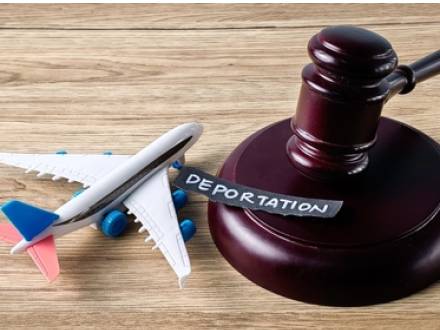 The most common reasons people are deported from the United States include criminal convictions, violations of immigration status, and fraud in the immigration process. Deportation, which the government formally calls removal, means being ordered to leave the country. It can happen to people who have lived here for many years, and it can tear families apart in ways that are very hard to recover from. If you or someone you love is facing deportation in 2026, a Bloomingdale immigration lawyer at Mevorah & Giglio Law Offices will fight for you.
How Can a Criminal Conviction Get You Deported?
Under the Immigration and Nationality Act, specifically 8 U.S.C. Section 1227, certain types of criminal convictions can make a non-citizen deportable. Surprisingly, you do not have to be convicted of a violent crime for this to apply.
Offenses that can lead to deportation include:
-
Aggravated felonies, which cover a wide range of crimes, including theft, fraud, and drug trafficking
-
Crimes involving moral turpitude, which generally means dishonest or harmful conduct
-
Drug offenses, even some at the misdemeanor level
-
Domestic violence convictions and certain violations of qualifying protective orders
-
Firearms offenses
Even an old conviction can still trigger deportation today. If you have a past conviction and are not sure how it affects your status, getting legal advice as soon as possible is important.
Will You Be Deported for Violating Your Immigration Status?
Breaking the rules of your visa or immigration status is one of the most direct paths to deportation. Common examples include staying past your authorized date, working without permission, or failing to meet the requirements of a student or work visa.
Under 8 U.S.C. Section 1227(a)(1), non-citizens who are in the country in violation of immigration law can be deported. This includes people who entered the country legally but later overstayed or broke the conditions of their status. Even seemingly minor violations can lead to severe consequences depending on the situation.
What Happens if You Overstay a Visa in the U.S.?
Overstaying a visa puts you out of legal status. That makes you vulnerable to deportation if immigration authorities become aware of your situation. It can also make it harder to return to the United States later. Accumulating more than 180 days of unlawful presence and then leaving the United States can trigger a three-year bar on reentry. Accumulating more than one year of unlawful presence and then leaving can trigger a ten-year bar.
Does Immigration Fraud Lead to Automatic Deportation?
Deportation is not automatic in fraud cases, but it is highly likely. Under 8 U.S.C. Section 1227(a)(3), non-citizens who commit fraud or misrepresentation in their immigration case can be placed in removal proceedings. This includes lying on an immigration application, entering a fake marriage to get a green card, or using someone else's identity documents. Even if the fraud happened years ago, it can still be used as a reason to deport someone if it is discovered later.
Can You Be Deported if You Have a Green Card?
Having a green card does not protect you from deportation. Green card holders, also called lawful permanent residents, can still be removed if they commit certain crimes, violate their status, or obtain their green card through fraud. This can come as a surprise for those who have lived here for a long time and have built a life in this country.
This is why it is so important for green card holders to understand how certain decisions, especially anything involving the criminal justice system, can put their status at risk.
What Happens During the Deportation Process?
When the government believes someone should be deported, it starts removal proceedings. The person receives a document called a Notice to Appear, which requires them to go before an immigration judge. The judge then decides whether the person is deportable and whether there is any way to stop the removal.
Some options can prevent deportation, such as asylum, cancellation of removal, or adjustment of your immigration status. Not everyone qualifies, but many people do not know these options exist until they talk to an attorney. The Chicago Immigration Court handles cases from the Northern Illinois area, including Bloomingdale, and having an attorney who knows how that court works can make a difference in your case.
Schedule a Free Consultation With Our Illinois Immigration Attorney
For more than 40 years, Attorney Steven H. Mevorah has been serving the needs of immigrants throughout Northern Illinois. He understands how much is at stake when a family's future hangs in the balance. If you or someone you care about is facing removal proceedings or has concerns about their immigration status, contact a Bloomingdale immigration lawyer at Mevorah & Giglio Law Offices by calling 630-932-9100 to discuss your case.









Offices in 3 Convenient DuPage County Locations
Lombard
900 E. Roosevelt Road
Lombard, IL 60148
Phone: 630-932-9100
Fax: 630-932-9868
MAP & DIRECTIONS
Bloomingdale
134 N. Bloomingdale Road
Bloomingdale, IL 60108
Phone: 630-529-2400
Fax: 630-529-7630
MAP & DIRECTIONS
Naperville
Phone: 630-420-1000
By Appointment Only

 Make a Payment


